Planning meals for the week can make cooking and shopping feel more manageable. You do not need an exact schedule or a complicated meal-prep system: a flexible list of meals and versatile ingredients is often a useful place to start.
Why Meal Planning Can Be Helpful
Meal planning means thinking ahead about some of the foods you may want to eat during the coming days. It does not have to involve a detailed spreadsheet or preparing every meal in advance. Even a short list of possible lunches and dinners can reduce daily decision-making and help you use the ingredients already at home. A flexible plan can also make shopping more focused and minimize forgotten produce.
For households, planning might involve choosing rice, vegetables, tempeh, eggs, fish, and seasonal fruit that can be used in several dishes. The same ingredients can produce different meals with changes in spices, cooking methods, or accompaniments. A useful plan supports your routine instead of becoming another demanding task.
Reviewing Your Weekly Routine
Before writing a menu, look at the actual shape of your week. Which evenings are busy? When do you eat outside? Are some lunches taken to work or school? Are there days when several people share a meal? These details help identify when cooking is realistic and when quick assembly or leftovers will be more useful.
Also consider available storage, cooking equipment, and household preferences. If your refrigerator is small, buying fresh produce in smaller batches may be sensible. If breakfast is usually quick, prepare ingredients that require little assembly. A plan that recognizes these practical details is more adaptable than one based on an ideal schedule that rarely happens.
Choosing Simple, Balanced Meals
Start with meals that already feel familiar. Rice with fish and vegetable soup, tofu stir-fry with noodles, or tempeh with leafy greens can all be adjusted for variety. Aim to include a carbohydrate source, vegetables, and protein-rich foods in many main meals. Fruit, nuts, yogurt, or other foods can be added where they fit naturally into the day.
Choose dishes with overlapping ingredients to simplify shopping. Carrots might appear in soup, fried rice, and a vegetable stir-fry; tofu might be grilled one day and added to noodles another day. Having a few repeatable combinations is not a failure of creativity. It often creates a dependable foundation from which to try new recipes when time and curiosity allow.
Creating a Flexible Weekly Menu
A practical weekly menu may list two breakfast choices, three lunch ideas, and several dinner options rather than assigning a completely different recipe to every day. One evening could be rice, grilled fish, and sautéed greens; another could be vegetable soup with tofu and bread. A leftovers night can be planned deliberately, making room for food already prepared.
Leave space for changes. Someone may invite you to eat out, a market may have a better seasonal vegetable, or work may finish later than expected. Instead of treating changes as mistakes, keep alternative ingredients and a few quick meals in mind. The menu is a guide for decisions, not a contract that must be followed exactly.
Before you shop
Your five-minute menu check
- Three meals you already enjoy
- Two flexible protein ingredients
- Vegetables for at least two different dishes
- One backup meal for an unexpected day
- Fruit or a snack you can prepare quickly
Preparing an Organized Grocery List
Check your refrigerator, freezer, and pantry before buying anything. Group the items you still need into vegetables, fruits, grains or staples, protein foods, and other ingredients. This helps you see what is missing and prevents buying duplicate items. Think about quantities in relation to the number of meals you realistically plan to prepare.
A simple example list might include rice, spinach, cabbage, carrots, tomatoes, eggs, tofu, tempeh, fish, bananas, and papaya. Seasonings and cooking oils may already be available. Where possible, consider what is currently fresh and affordable at local markets. A focused list makes it easier to move from food ideas to actual meals.
Saving Time with Basic Food Prep
Getting ahead on meals does not require cooking every dish on the weekend. Washing and storing vegetables, preparing a container of cooked rice, or marinating tofu can save steps later. Cutting vegetables for one or two upcoming meals can also help, provided they are stored appropriately. For households that enjoy a cooked lunch, a larger batch of beans or soup can offer several serving options.
Plan storage and food handling carefully. Cool cooked foods promptly, refrigerate perishable ingredients, keep raw and ready-to-eat foods separate, and reheat leftovers thoroughly. Use clean containers and follow suitable storage guidance for your environment. Getting ahead is most helpful when it reduces pressure without creating more food than you will use.
Reducing Food Waste
Planning around what is already available is one of the simplest ways to use ingredients well. If spinach needs to be cooked soon, place it in the next meal rather than saving it for an uncertain later date. Extra cooked rice can become a vegetable rice dish; leftover tofu may be added to soup. Prioritize perishable foods before opening newer packages.
Buying realistic quantities also matters. A large discount is not always useful if much of the food will spoil. Consider freezing appropriate ingredients, sharing larger portions with household members, and making a simple leftovers meal at the end of the week. These habits can make grocery spending more predictable while keeping the kitchen organized.
Staying Flexible with Your Plan
An adaptable plan includes shortcuts. Canned beans, frozen vegetables, ready-to-cook tofu, eggs, and basic pantry staples can all help on unexpectedly busy days. If you do not have a planned ingredient, substitute another food with a similar role in the meal. A vegetable that is in season may work better than the one written on your list.
Review the week briefly afterward. Which meals were easy to make? What was left unused? Were the quantities right for your household? Use those observations to make the next plan simpler. Over time, a short collection of reliable dishes can become a useful personal reference that makes balanced eating more manageable.
A Sample Week You Can Actually Adapt
A sample menu is most useful when it behaves like a collection of ideas rather than a fixed timetable. The combinations below repeat versatile ingredients, such as rice, eggs, tofu, greens, fish, and fruit, so shopping remains manageable. Switch days, change side dishes, or substitute ingredients when your schedule changes. If you cook for other people, invite them to suggest favorites that use some of the same staples.
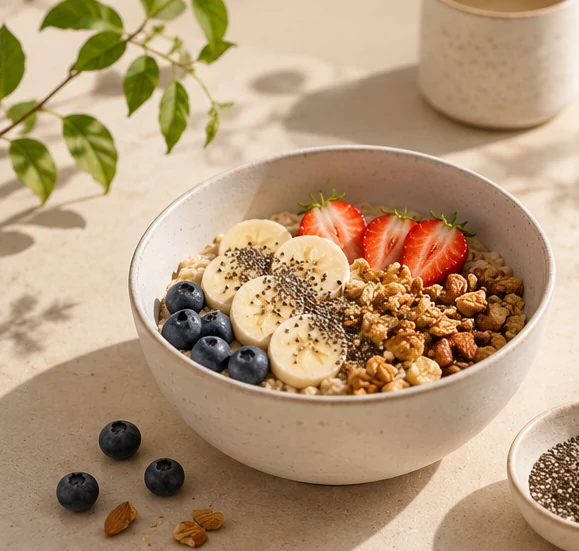
Breakfast can stay simple across the week: oats with banana, toast and eggs, or a familiar rice-based meal. Snacks, when wanted, might be fruit, yogurt, or a small handful of nuts. The point of a sample week is not to prescribe portions or eating times. It is to make the next shopping trip and cooking decision feel less demanding.
Try One Short Prep Session
Choose a moment when you have a little energy and prepare just enough to make the coming days easier. You might wash greens, slice sturdy vegetables, cook a staple grain, and prepare tofu or beans. Keep ready-to-eat foods and raw ingredients in appropriate containers, and follow sensible refrigeration and reheating practices. You do not have to prepare seven full meals at once to get the benefit of planning.
A realistic prep sequence
- Look in the fridge, freezer, and pantry before shopping to avoid buying duplicates.
- Choose two anchor meals based on foods already available.
- Wash and prepare vegetables needed for the next one or two days.
- Cook a flexible base or protein that can appear in more than one dish.
- Leave some ingredients uncombined so you can change flavors or meal formats later.
Planning for Interruptions and Shared Meals
Some weeks will not go according to plan. Work can run late, guests can arrive, someone may prefer another meal, or an ingredient may be unavailable. Build an alternative into the menu from the beginning. A freezer portion, eggs and vegetables, or soup made from pantry ingredients can become a reasonable backup. When plans change, move an uncooked meal to another day rather than viewing the whole week as a failure.
If several people share a kitchen, start with common ingredients instead of trying to satisfy everyone with identical plates. Serve rice, vegetables, and one or two protein choices separately so each person can assemble a comfortable combination. This approach can reduce extra work and may create more room for different preferences. A shared weekly list on paper or a phone can also help everyone see what ingredients are available.
Review your week briefly when it ends. Which ingredients were used? What was forgotten? Which dishes were easy, and which required too much effort? These observations are more useful than judging whether you followed the menu exactly. A good plan learns from your routine and becomes lighter, more practical, and more enjoyable with each revision.
Conclusion
Weekly meal planning is a practical tool for organizing food choices, not a demand for perfect routines. Look at your schedule, select familiar dishes, plan overlapping ingredients, and make a realistic shopping list. Simple meal prep and thoughtful use of leftovers can remove several small barriers to everyday cooking.
Start with three or four meals rather than trying to control every eating occasion. Keep your plan flexible enough for different appetites, social plans, and available foods. A menu that supports ordinary life is one you are more likely to use, adapt, and enjoy.